
Author: Christine Robertson

  • Newsletter: February 2026

    Newsletter: February 2026

    A note from our Executive Director:

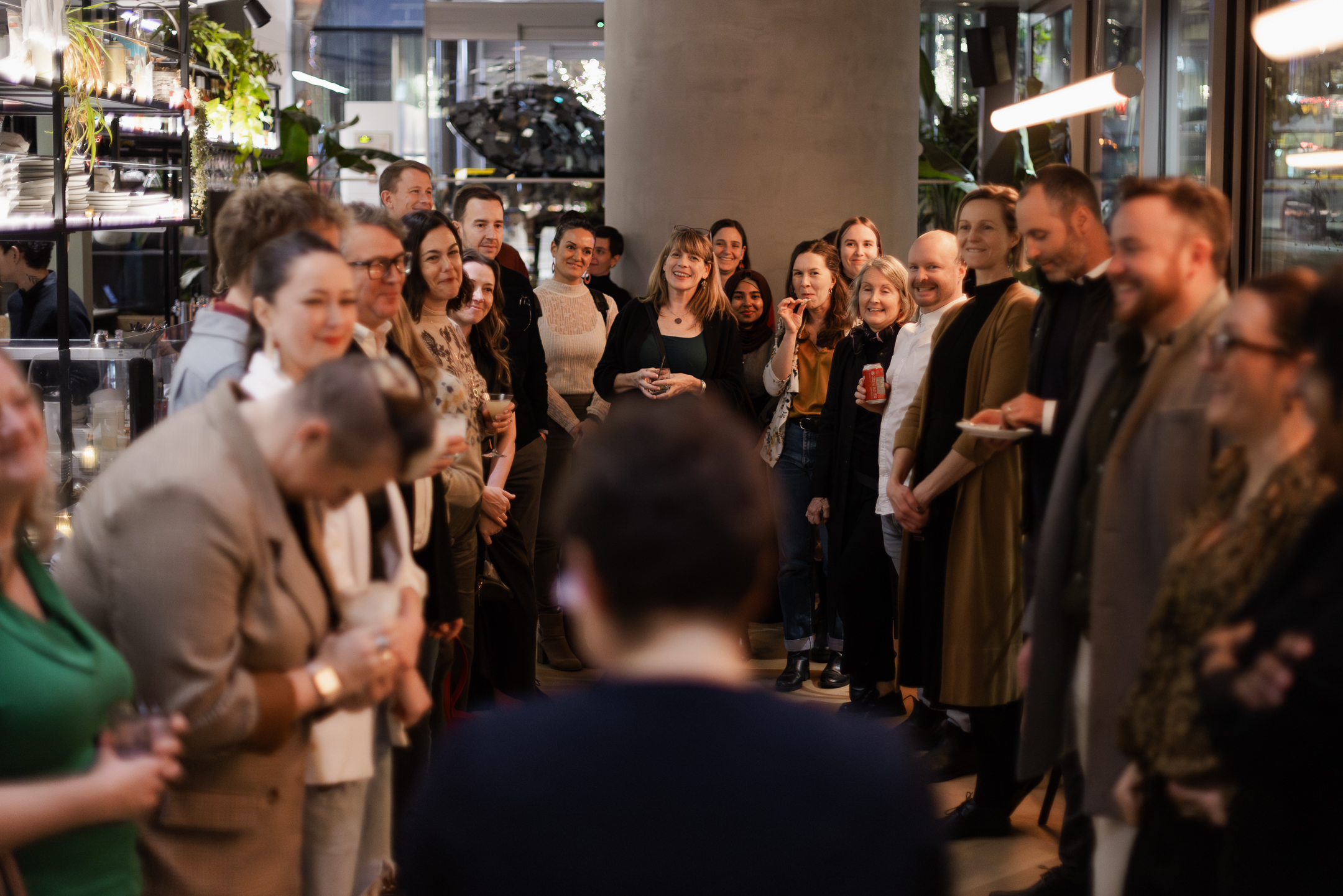
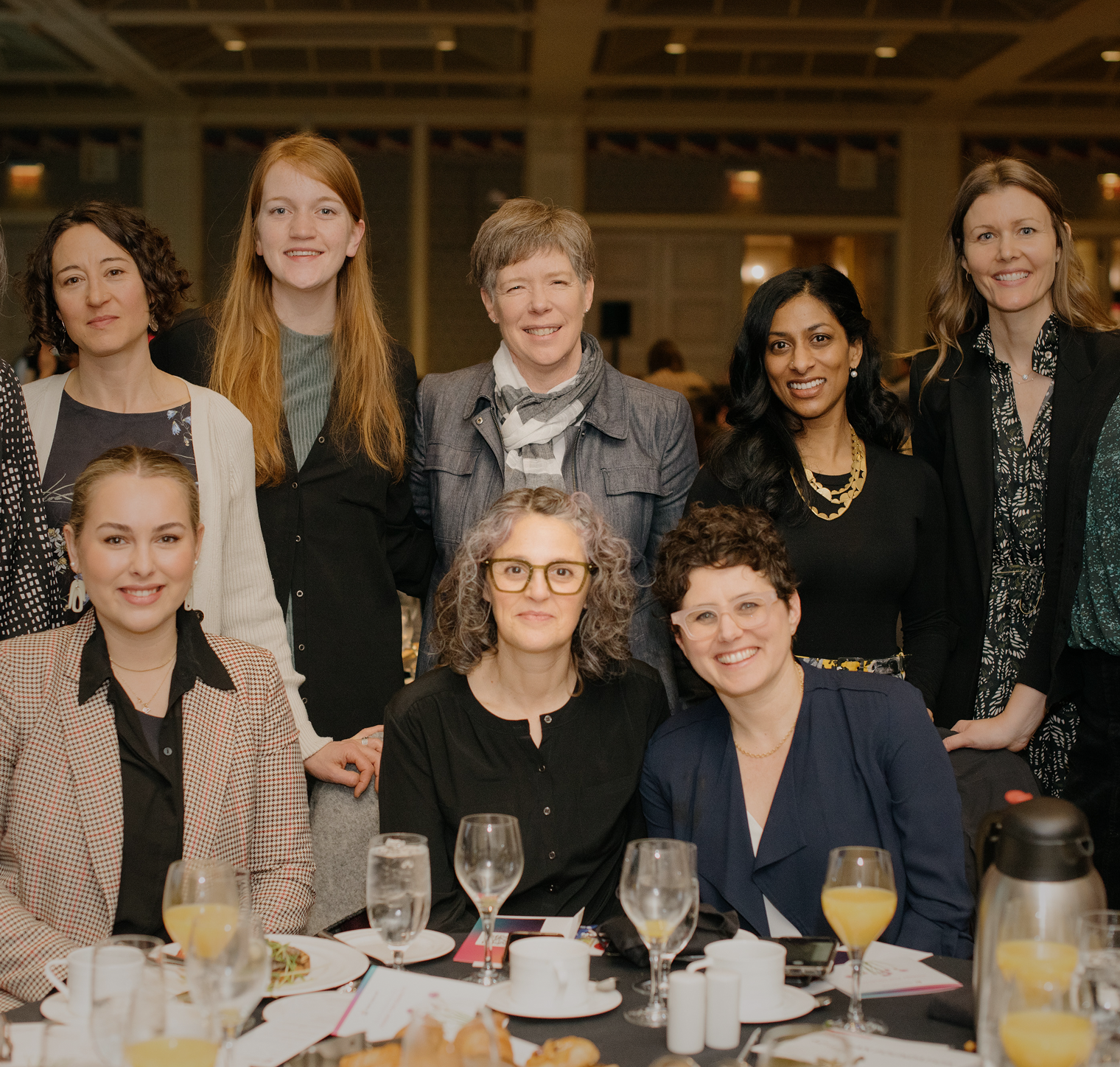
    Following our annual Open House in December, we convened our grantee partners for a morning of reflection and connection. During that time, we were encouraged to write letters to ourselves to share our hopes for the year ahead. The facilitator of the gathering committed to mail the letters back to us throughout the year.

    Last week, my letter arrived in the mail.

    In the letter, I expressed a desire to let go of past ideas of how things must be in order to allow for new and different perspectives that better meet this moment in time. My hope was to make choices based on what I felt was right in this 2026 version of the world, and of myself.

    The message in my letter was motivated by the work of our partners, who for the past year have been preparing for a shift in the way they do their work. For some, this has meant talking about their work differently in order to reach new audiences. For others, it has meant letting go of old goals that were not met and are unlikely to be met this year. For most, it has meant drilling down on what is most important and finding new ways to achieve that impact.

    Our partners are pivoting in real time.

    In British Columbia, climate organizations are finding new ways to inspire action at a time when affordability and security are getting more attention than our environment. Following the Clean BC review, many organizations have encouraged the provincial government to shift on climate strategy rather than abandon action all together. You can read an example of that in the op-ed in the Vancouver Sun by three of our partners (My Climate PlanCreate Climate Equity and Clean Energy Canada).  

    Nationally, gender justice organizations are making the case that funding their work is an investment in the infrastructure that keeps our economy moving. Action Canada Executive Director, fred Chabot, Vani Jain of Catalyst Philanthropy and I outline this approach in an op-ed in The Philanthropist Journal. This approach will also be addressed in an upcoming webinar on gender-justice as a nation building project.

    Internationally, our partner FRIDA – the Young Feminist Fund – has really flipped the script on a new model issuing a reverse call for applications from grantee partners to funders. You can read about this approach here.

    One of the best parts about our work is the ability to share learnings from one portfolio and apply it to others. Whether our nature and climate partners, organizations in the Daylight Fund, or community organizations, each one is pivoting in real time to meet this moment.

    I look forward to continuing to learn from all of you as we let go of older approaches and adopt and adapt to new ones.

    In community,

    Mira


    Climate and Nature portfolio update

    Heat Pumps: A Triple Win

    Clean Energy Canada’s More for Less report, released in December, highlights how heat pumps in B.C. are a triple-word score of clean tech for homes and buildings. Heat pumps can keep people warm and cool, they are super energy efficient (thus saving money on energy bills and not straining the electricity grid), and they don’t contribute to carbon pollution. Clean Energy Canada’s report lays out a plan for how to overcome the barriers to widespread heat pump adoption in B.C.

    Growing the Next Generation of Leaders

    2025 marked the first year that our grantee partner Metro Vancouver Zero Emissions Innovation Centre was the host organization for the Women4Climate mentorship program. Twenty mentees were partnered with mentors to elevate leadership skills, create a supportive network, cultivate practical skills to advance specific projects. Last year’s projects were a diverse collection spanning retrofits, sustainable salons, the circular economy, and organizational culture.

    Celebrating 25 Years of Coastal First Nations Conservation

    For uplifting stories of major milestones in coastal First Nations communities from Haida Gwaii to the central and north coast, check out Coast Funds’ 2025 in Review: 25 Good News Stories from First Nations It’s a great round up of these communities’ successes in sustainable finance, conservation and culture. Coast Funds, along with other partners and allies, celebrated the 25th anniversary of the Coastal First Nations Great Bear Initiative in December.


    Gender Equality portfolio update

    Advocating for Universal Childcare in B.C.

    The Coalition of Childcare Advocates of BC has been urging the provincial government to follow through on their investment for universal, affordable childcare. They issued an open letter to Premier Eby, which was published in the Globe and Mail.

    HerStory Gala: An Evening with the Downtown Eastside Women’s Centre

    On March 5th, join the Downtown Eastside Women’s Centre for their annual HerStory gala.

    West Coast LEAF’s IWD Equality Breakfast

    For those who are early risers, please consider supporting West Coast LEAF at their annual International Women’s Day Equality Breakfast.

    50 Years of Pacific Immigrant Resource Society

    Congratulations to Pacific Immigrant Resource Society on their 50th anniversary. You can read about this major milestone and their event to celebrate it here.


    Announcing: Daylight Fund 2026
    The Daylight Fund is an open call fund that was launched in 2025 by the Foundation as a pilot designed to support organizations doing work to directly address rising rates of violence and growing barriers that are facing women and gender-diverse people in communities.

    Providing grants of up to $25,000, the Daylight Fund decision-making is led by a participatory granting process that de-centres power to a committee of individuals with lived and professional experience. In 2025, The Daylight Fund provided grants to 38 organizations across the country, with a focus on rural and remote communities. This year’s Daylight Fund applications will open in March and current grantees and partners of the Foundation will be notified when applications are open.


    IN MEMORIAM

    We share in grief with all Canadians, and especially British Columbians, the loss of six children and two adults killed in Tumbler Ridge earlier this month. Their loss has been felt deeply and we extend our condolences to all those directly impacted. For those able to contribute, please consider supporting the Tumbler Ridge Community Resiliency Fund.

  • The most important infrastructure isn’t in the budget

    The most important infrastructure isn’t in the budget

    Philanthropy has a crucial role to play in supporting the chronically underfunded work of gender justice organizations – which are holding communities together in an age of precarity – and the moment is now.

    Published February 2, 2026 Written by:

    Mira Oreck is the executive director of The Houssian Foundation.

    Frederique Chabot is the executive director of Action Canada for Sexual Health and Rights (Canada’s Planned Parenthood).

    Vani Jain is the founder and CEO of Catalyst Philanthropy.

    This article is written by sector contributors. Learn more about how we work with writers and about the Journal.

    We keep being told that to fix the economy we need to tighten our belts. Cut “non-essentials.” Make do. But whose essentials are we talking about – and who gets to decide?

    Across Canada, something deeper than financial strain is taking hold. Yes, groceries cost more and debt loads are rising. But research from Abacus Data shows that Canadians aren’t just worried about having less; they’re worried that everything around them is becoming less stable. Nearly half the country now lives with high or extreme precarity, fearing that one shock – a rent increase, a climate disaster, a job loss – could upend their lives.

    Younger Canadians feel it most. Women carry heavier strain than men. And even households earning more than $100,000 a year no longer feel insulated from instability. In 2026, precarity is not a blip. It is the emotional baseline of the country.

    When the federal government released what it called a “generational budget,” many hoped this meant investing in the supports that make life predictable: the systems that allow families to work, plan, and hope. Instead, Budget 2025 doubled down on a familiar hierarchy of value. Budget 2025 prioritized capital projects and industry-facing investments while sidelining or underfunding universal pharmacare expansion, stronger income and disability benefits, childcare wages and access, long-term-care staffing, and the public service capacity that makes these systems function.

    For philanthropy, particularly those committed to long-term stability, productivity, and democratic resilience, this shift should be a warning signal.

    “The programs that anchor people during instability are the very ones treated as ‘non-essential’ when budgets tighten.”

    Here is the part we rarely say out loud: the programs that anchor people during instability are the very ones treated as “non-essential” when budgets tighten.

    The work of keeping communities stable – making sure people can raise families, access healthcare, build livelihoods, and feel safe – is still framed as soft, peripheral, or merely “social.” Yet, this work is the backbone of a safe and functioning society. It is the work of the people and organizations who hold communities together every day. It is the work of the gender justice sector.

    From childcare to reproductive healthcare, from shelters to consent education, from newcomer support to community safety, gender justice organizations build the infrastructure that makes life predictable. They are holding communities together in an age of precarity, yet their work is routinely underfunded, overlooked, or treated as optional. This includes the policy advocacy, service delivery, systems coordination, and narrative work that make other public and private investments viable.

    The deeper question is what this government believes counts as building. Increasingly, anything related to people – care, services, community supports – is treated as a cost to contain, while capital projects are framed as the only investments that matter. But our country is held together by more than concrete and steel. And nowhere is that clearer than in the places where the human foundations of stability are already unravelling at the seams.

    We’ve been told for years that gender equality is a “nice to have,” something to trim when budgets tighten. Yet evidence from the International Monetary Fund, the Organisation for Economic Co-operation and Development, and Canada’s parliamentary budget officer is unequivocal: investing in care is one of the fastest ways to strengthen productivity, expand labour markets, and build long-term economic stability.

    To be clear, the federal government avoided the most damaging cuts and announced funding for Women and Gender Equality Canada. But the overall orientation is unmistakable: dramatic investments in capital-intensive areas such as defence, transit, and heavy industry, paired with cuts to the public service and no meaningful expansion of the human systems that allow Canadians to weather instability or power up those big projects.

    This “capital good, operating bad” framing may balance a ledger, but it weakens the infrastructure that most directly shapes people’s lives.

    Health is prosperity. Care is infrastructure. People are the project.

    When contraception is accessible, people stay in school and in the workforce. When childcare works, the entire economy hums. When people can access basic care, the systems they uphold remain stable.

    “When public investment is uneven and human infrastructure is treated as a cost rather than capital, philanthropic investment becomes one of the most powerful levers available.”

    This is where philanthropy’s role as a long-term, risk-tolerant investor becomes essential. When governments underinvest in the human foundations of a country, philanthropy becomes one of the few actors with the freedom to step in boldly, quickly, and imaginatively. Philanthropy cannot replace government. But when public investment is uneven and human infrastructure is treated as a cost rather than capital, philanthropic investment becomes one of the most powerful levers available.

    Few areas offer a greater return on investment than gender justice, where even modest support delivers outsized gains in economic security, health, and democratic resilience and strengthens every other system philanthropy cares about. In the coming weeks, you’ll see pieces from three organizations – Women’s Shelters Canada, Rise Women’s Legal Centre, and YWCA Canada – all of whom demonstrate that funding gender justice organizations doesn’t need to entail a departure from existing philanthropic priorities; it can actually be a way to strengthen them.

    A generational philanthropic strategy looks like investing in gender justice, one of the least supported areas in Canadian philanthropy, because the future depends on it. Great movements are built on long-term, bold investment. It means supporting advocacy, civic engagement, and systems change – not just services. 
    History shows that philanthropy often leads where governments hesitate, backing the ideas and institutions that later become the cornerstones of national strength. Nation-building takes time, and the returns – stability, cohesion, prosperity – are generational.

    We have a choice: fund the scaffolding of stability, or allow precarity to deepen. Philanthropy can be the catalyst Canada needs right now, not as a substitute for government, but as a force that insists people are worth investing in.

    This is the moment to fund the future Canadians deserve to live in.

  • Philanthropic Investment vs. Social Need

    Philanthropic Investment vs. Social Need

    How Canadian Funders Can Lead on Gender Justice.

    In early 2025, the Houssian Foundation, in partnership with Catalyst Philanthropy, took a closer look at the state of gender justice philanthropy in Canada. What we found was both clear and concerning.


  • Newsletter: October 2025

    Newsletter: October 2025

    A note from our Executive Director:

    Over the past several months, the Houssian Foundation has been doing what we love doing the most – bringing people together, or joining others, for convenings towards collective impact. We’ve hosted several conversations with climate grantees and partners in the real estate industry on decarbonizing buildings. We’ve brought together all of our new Daylight Fund grantee partners from across the country to virtually meet and share learnings. We’ve strategized on advancing affordable and accessible childcare as a critical element of gender equality. We’ve gathered online and in-person to talk about the state of climate progress in British Columbia and across Canada. And we’ve attended just as many – if not more – gatherings in the field hosted by our partners.

    It is good to connect with people. Not just for the sake of meeting, but to collectively grapple with a central question that has emerged in almost every single one of these gatherings (perfectly summarized by one of our grantee partners at Clean Energy Canada):

    How do we regroup, and not retreat, on policy at this moment in time?

    This question is key whether we are talking about how to stop potentially dangerous cuts to the federal WAGE (Women and Gender Equality) budget or how to advance climate goals in the face of reduced revenues and pressure to build ‘major projects’.

    We are inspired by the creative ways our partners are collaborating, challenging themselves and advancing their goals even in the face of growing pressures. We have already seen success through these new approaches, and trust that will continue.

    Also, I’m very excited to share that the Houssian Foundation has a new member of our team, Estefania Duran. Estefania brings a wealth of experience to lead our gender justice portfolio. Please read more about her below.

    Onwards,

    Mira


    Partner highlights:

    YWCA + Coalition of Child Care Advocates: $10 a Day Childcare

    This past summer, YWCA Metro Vancouver and the Coalition of Childcare Advocates of BC – supported by allies in the business, education, labour and community sectors – relaunched the $10aDay campaign. Some progress is already being made. Just this past week, the BC government introduced the School Amendment Act, which removes barriers for school districts to provide child care for children of all ages on school grounds throughout the year.

    Youth Climate Corps: Expanding across BC

    BC municipalities are backing the expansion of Youth Climate Corps, supporting efforts to tackle energy poverty and strengthen the green economy. Youth Climate Corps connects young people to meaningful climate employment, building skills, resilience, and local climate solutions across the province.

    Movement: Cars are Expensive. Transit is Not.

    In a recent story, Movement explores the real costs of car dependency, highlighting how expanding accessible, affordable public transit can reduce financial strain for families and lower emissions. The piece underscores the need for better transit investments that align with climate and equity goals.


    Team update:

    We’re thrilled to welcome Estefanía Durán to The Houssian Foundation team as our new Senior Manager, Gender Justice Program.

    Estefanía is a seasoned communications strategist and nonprofit leader with over 15 years of experience in storytelling, advocacy, and organizational development. A former award-winning journalist, she brings a sharp editorial eye and a commitment to social change to every project. She has held senior leadership roles in the nonprofit gender justice sector, focusing on impactful fundraising, communications, and advocacy efforts. 

    We have been fortunate to work with Estefania through her previous role at WISH Drop-In Centre and more recently on her support of the Daylight Fund. 

    Please read below a few words from Estefania:

    I’m grateful for the opportunity to continue to advance the Foundation’s vision of trust-based, and community-led funding. A vision where lived experience is not only recognized but also meaningfully uplifted.

    At the heart of my work is a belief that gender justice is a practice, not just a value. Practicing it means moving beyond equality and instead transforming the very systems and structures that sustain gender-based inequities. It also requires an intersectional lens that acknowledges the impact of overlapping identities.

    True gender justice ensures those who have been made vulnerable are not only granted access and opportunity but are also actively shaping the very systems that continue to impact their lives. This belief is what drives my work and why I’m excited to continue the Foundation’s collective effort toward accountability, transformation, and reparation.

    We’re so excited to have her join our community and guide this important work forward.


    Book spotlight:

    By Karen Tam Wu

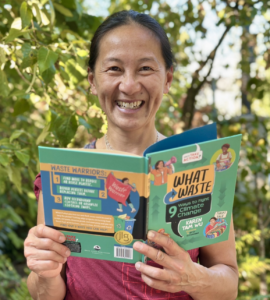
    We’re continuing to celebrate the release of What a Waste: 9 Ways to Fight Climate Change by Karen Tam Wu, our Director, Climate and Nature.

    Karen’s new book offers a hopeful, practical guide to tackling the climate crisis, one that meets readers where they are, with accessible, everyday actions that add up to meaningful change. Blending insight, optimism, and urgency, What a Waste empowers individuals and communities alike to take steps toward a more sustainable future.

    Learn more and purchase the book here.

  • Daylight Fund – Grant Recipients

    Daylight Fund – Grant Recipients

    This spring, The Houssian Foundation launched a pilot initiative: the Daylight Fund. Grown out of conversations with community partners and grounded in a commitment to safety and justice, the goal of the Daylight Fund is to support organizations working on the frontlines of gender-based safety.

    We learnt very quickly through the applications that safety is complex and comes in many forms; physical, emotional, spiritual and more, and that the solutions to address gender-based safety are as varied as the needs. We sought to fund organizations that met a wide-range of needs.

    Today, we are honoured to announce the 38 organizations receiving support through the Daylight Fund.

    Selected from over 350 applications totaling over $8.5 million dollars of requests, these grantees reflect a wide range of local knowledge, lived experience, and collective care. Grants range from $10,000 to $25,000, with $500,000 in total funding distributed to programs across the country.

    Importantly, all funding decisions were made by a participatory Advisory Committee comprised of people with lived expertise and professional experience.

    Women and gender-diverse people across Canada are currently experiencing rising levels of violence, increased discrimination, and mounting barriers to safe housing, healthcare, and community support.

    The conditions that should foster safety, stable shelter, affirming care, freedom from harm are increasingly out of reach, especially in rural and remote areas across the country.

    The Daylight Fund responds to this urgent reality. 

    We are grateful to everyone who applied, to our advisors who guided the process, and to the grantees who are creating and supporting safety for women and gender diverse people every single day. 

  • Update: Reflecting on Earth Day

    Update: Reflecting on Earth Day

    A message from Karen Tam Wu

    As we celebrate Earth Day this week, a note from Karen Tam Wu, Program Director, Climate & Nature:
    “I was at a meeting recently when someone asked what brings me hope. Generally an optimist, I was astounded to find myself at a loss of words. Climate seems to be the last thing on a politicians mind these days, but it still weighs on many people’s hearts. 

    But there is hope. And as our communities celebrate Earth Day, I want to share some of my hope with you. 

    A few months ago, THF supported a post-election survey of British Columbians and their perspectives on climate change. The survey found that British Columbians of all political stripes want their government to take climate change seriously, and to continue to invest in electric heating incentives. That’s good news.

    The B.C. government just announced funding to continue to support putting heat pumps into the homes of more British Columbians, especially low-income and middle-income households, and those who live in condos and apartments. 

    Supporting climate action is also bringing me lots of hope. I’m really excited about the work of our new grantee partners:

    • Stand.earth works to stop fossil fuel expansion in cities. The group raised the alarm when Vancouver City Council considered reversing its zero carbon building policy, motivating people and businesses to speak out. As a result, Council decided to stay on course. The requirement for  all new buildings to be zero carbon buildings by 2030 stands. 
    • Movement is a new initiative focusing on organizing transit riders to demand improved access to transit in Metro Vancouver. A recent push through their Save the Bus campaign resulted in a big win. Local and provincial governments announced increased funding to provide more bus service across the region. This gives residents more dependable, affordable, low carbon transportation options. 
    • Create Climate Equity empowers community leaders, across B.C. and beyond, to encourage and support their communities to save money through energy efficiency upgrades in their homes.
    • Canadian Parks and Wilderness Society works with First Nations, citizens and residents across the province – from the Southern Strait of Georgia, to the Okanagan, and the territories of the Kaska Dena people, to Haida Gwaii – towards the important target to protect 30% of BC’s lands and waters by 2030.

    I also do not want to sugar coat reality – floods, drought, and wildfire season are around the corner. Climate impacts will continue to create anxiety for those who live with evacuation alerts, ruin farmers crops, devastate communities and ecosystems. That’s why we continue to create a new path forward, because our climate requires it and because the new path itself, generates hope to keep going.”

    Karen Tam Wu,
    Program Director, Climate & Nature

  • Newsletter: February 2025

    Newsletter: February 2025

    We have officially made it through the ten darkest weeks of the year. The days are finally getting longer and lighter. 

    Despite the extra light outside, I have been struggling to feel it inside. The challenge of remaining informed of all that is happening in the world, while not distracted or dark is very real.

    I did three things this past week that made me feel better. 

    1. A few days ago, as I sat down to work, my anxiety was too high from the non-stop news cycle to focus. The speed of policy changes and announcements are meant to overwhelm our systems, and I got caught up in it. I closed my computer and went to the mountains. Two hours later, I felt like I could focus again. This is not something that can be done every day, but creating work environments that encourage people to take breaks and care for themselves in the midst of this challenging time is critical for self-regulation and productivity.
    2. I took action. It has long been noted that action is the best antidote to anxiety. Earlier this week, I wrote a letter to express my disappointment that organizations in our community were hosting an event with an anti-LGBTQ2S+ speaker. This was in many ways, a small act, but it reminded me that I have a voice and that I need to use it. Importantly, it also connected me with someone I didn’t previously know and brought us together. Activism can be a source of both strength and community building.
    3. I grounded myself in my work, placing value on the efforts beyond the noise. I focused on the direct services and advocacy, and innovation and entrepreneurship of our grantee and investment partners. This has reminded me what is important and also given me energy and hope.

    Over the course of the coming year, I intend to use this newsletter and other Foundation vehicles to highlight the ways in which communities are coming together to build, innovate and protect one another. Please share your stories – big and small – so we can learn from one another and celebrate together.

    Warmly,

    Mira


  • 2024 End-of-Year Message

    2024 End-of-Year Message

    The Houssian Foundation’s 2024 theme was connection. This theme emerged from the feedback so many of you gave us about the value you find in connecting with each other – in-person, across portfolios, and on issues you are tackling every day.

    It’s a focus that is likely to carry forward in years to come as we collectively face both immense possibility and significant challenge. We believe that connection and interconnectedness is the most impactful way through this time. 

    Personally, connections with all of you is what feeds me in this work every day.

    To wrap up the year that was, we want to highlight initiatives that represent connections – across communities, organizations, sectors and geographies. 


    Highlights from 2024

    • Protecting the Great Bear Sea: After two decades of Indigenous-led collaboration, Coastal First Nations, government partners, and funders achieved a milestone agreement to protect the Great Bear Sea off the northwest coast of British Columbia. This initiative brings $335 million in new investments to safeguard the land and waters. We are proud to support this historic effort.
    • Feminist Leadership and Organizing: THF Grantee partner, Oxfam, convened 40 leaders from Canadian feminist organizations for a knowledge-sharing and strategy session on reproductive justice, housing, workers’ rights, and gender-based violence. Charged with hope, the Feminist Influencing Group gathering emphasized the transformative power of in-person collaboration to sustain feminist movements.
    • Moving Forward to Zero Carbon Homes and Buildings: For the last year, THF has been bringing together partners to maintain the momentum underway towards zero carbon homes and buildings. Alongside many other partners, clean Energy Canada, the Pembina Institute, and Zero Emissions Innovation Centre on policy, and of Neighbours United in organizing has been critical to recent affirming (and re-affirming!) decisions in municipalities across British Columbia in support of zero carbon buildings.
    • Addressing Gender-Based Violence: YWCA Metro Vancouver – alongside a group of powerful advocates – launched an initiative to name gender-based violence for what it is – an epidemic. You can read about this effort and sign their letter to the Premier here.
    • Vancouver Indigenous Fashion Week: VIFW highlights how fashion can build connections with Indigenous values, wisdom, and history. It also serves as a vehicle for raising awareness of Missing and Murdered Indigenous Women and Girls across the country. This powerful event is not to be missed. Mark your calendar for 2025!

    These highlights – among many other gatherings, site visits, learning calls and meetings –  reaffirm the profound impact of coming together. As we reflect on 2024 and look to 2025, we are grateful for the opportunity to work and learn alongside such dedicated partners and communities.

    Wishing you joy and peace this holiday season. 

    Warmly,

    Mira


    Grantee Partners in Action:

    Saint James Music Academy offers high-quality music education and mentorship to youth in Vancouver’s Downtown Eastside, fostering talent, hope, and a strong sense of belonging. Earlier this year, we had the privilege of documenting the inspiring dedication and passion of the faculty and musicians in a short film, thanks to filmmaker Carmen Pollard and her team.

    Curious on how much your household can save by making a switch off of fossil fuels? THF grantee partner Clean Energy Canada has created an interactive calculator to show how much your household can save by switching to clean energy solutions.

    YWCA’s CEO, Erin Seely calls for attention and policy towards gender-based violence in this powerful op-ed.

    With support from Coast Funds, the Gitxaała Nation has implemented sustainability upgrades at the Crest Hotel in Prince Rupert, including the installation of heat pumps to reduce energy consumption and greenhouse gas emissions. This project underscores Indigenous leadership in advancing environmental stewardship, economic resilience, and long-term community prosperity.


  • Read Our Grant-Making & Investment Report

    Read Our Grant-Making & Investment Report

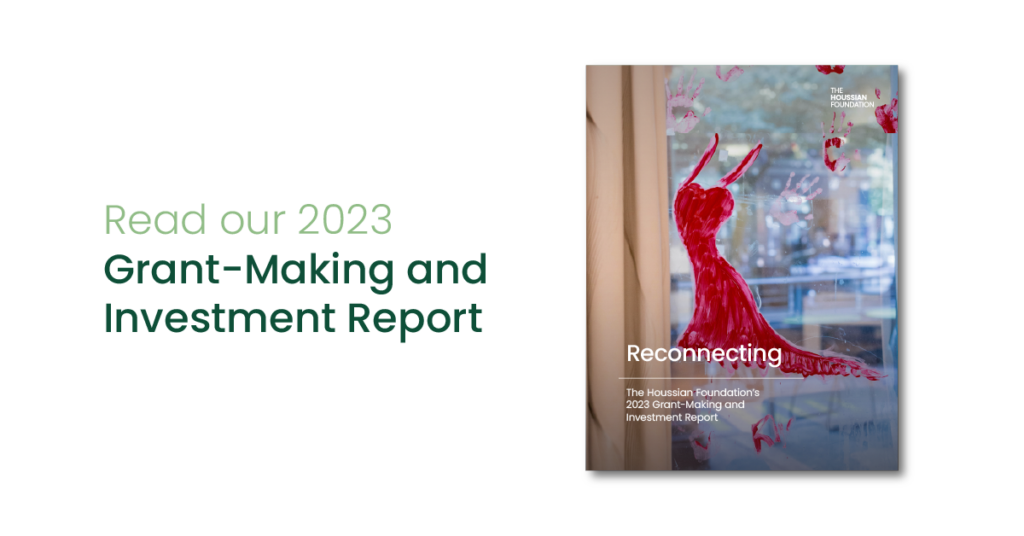
    We are excited to share with you Reconnecting: The Houssian Foundation’s 2023 Grant-Making and Investment Report. Our team spent the last stretch of the summer season reflecting and gathering stories from partners and grantees. This report is a testament to the collective efforts of this community and we’re proud to share it with you today. 

    In a year marked by unprecedented challenges and shifts, we chose the theme of our report to be “Reconnecting”. As the world moved on past the initial impact of the pandemic in our lives, we know that many of you have felt the distance in community that came out of that time of isolation. We marked 2023 with a commitment to connect with one another and to create new bridges across our portfolio areas.

    • A message from Jessica Houssian and Mira Oreck: Reflecting on the year’s challenges and achievements, and our growth as a Foundation.
    • Focus Areas and Strategies: Insights into our grant-making approach and the  work we are supporting in gender justice, climate and conservation and community connection.
    • Grantee Highlights: Stories of impact from our grantee partners, including Downtown Eastside Women’s Centre, My Climate Plan, and many others.
    • Investment Strategy: An overview of our mission-aligned investments.
    • Member Associations: Acknowledging our partnerships and networks that support our collective learning and impact. We invite you to explore the report and join us in reconnecting with partners and peers building and renewing our civil society.

    Warmly,

    Mira


  • Newsletter: June 2024

    Newsletter: June 2024

    Yesterday was a great day to celebrate the milestone achievement of the Great Bear Sea Project for Finance Permanence. After more than two decades of dedication, this initiative will safeguard the Great Bear Sea, ensuring cultural vibrancy, supporting resilient communities and economies. The Houssian Foundation is thrilled to have contributed to this historic initiative. We encourage you to learn more about the impact of this achievement here.

    Earlier this month, I participated in a day-long gathering at Brew Creek Lodge with funders from across Canada, convened by the Tamarack Institute. The focus of the gathering was on funding initiatives rooted “in place”— meaning, funding that occurs in a specific location. This concept sparked lively discussions amongst participants about those culturally rooted in place, the impact of people being displaced and the challenges of funding in shared or contested space. 

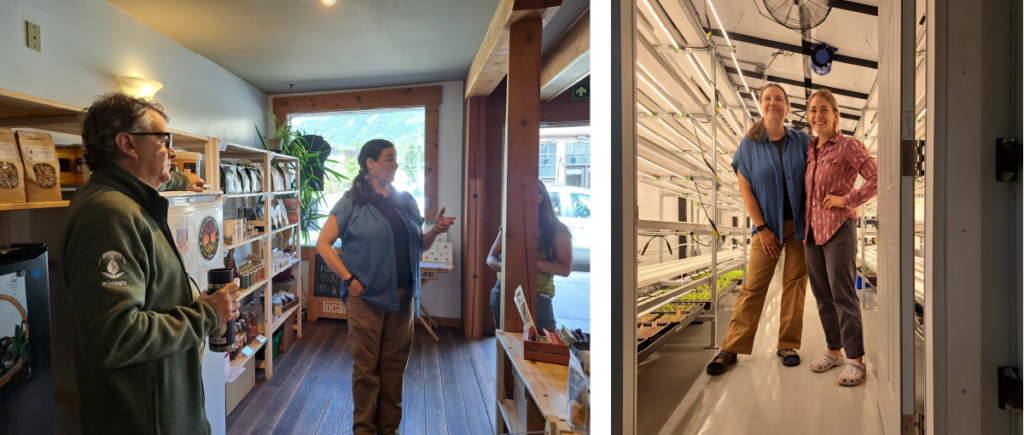
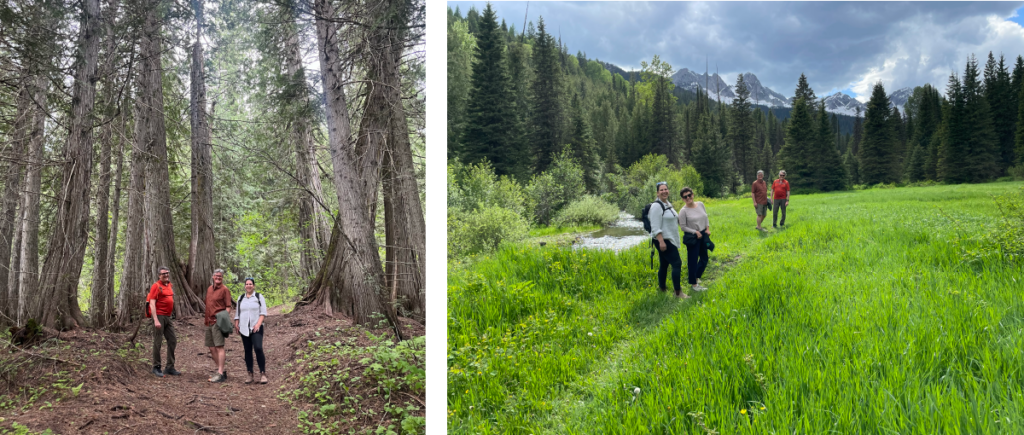
    Later in the month, I had the privilege of spending several enriching days with our new Program Director, Environment, Karen Tam Wu (see more below) in the East Kootenays with our grantee partner, WildSight. We saw wildlife and learned about efforts to protect important wildlife species in the Elk Valley. At the local community garden, we toured a brand new farming centre that will grow greens year round in a facility the size and shape of a shipping container. We ventured into a grove of ancient cedars in the inland temperate rainforest. The breath of the beauty was juxtaposed with the scale of our up close view of the metallurgical coal mines in the region. 

    One particular encounter stood out to me. We were driving on a backroad heading towards a lunch spot, when a big black pick-up truck drove past us. The driver slowed and then quickly reversed to pull up beside us. Our grantee partner said, “Not to worry, he probably just wants to know where we are headed”. In fact, when the older man, dressed in camouflage, rolled down his window and greeted our grantee partners by name and he asked if he could pay his dues to join WildSight right there and then. He shared the many reasons he cares about this region and wanted his voice included in their efforts.

    It was there that I was reminded of the value of funding “in-place”, because in an environment where so much is curated online, algorithms don’t always allow our paths to cross. Funding organizations rooted and respected “in place” is an opportunity to learn how to break down barriers in order to tackle the planet’s most pressing issues. 

    Looking ahead, I eagerly anticipate many additional site visits this summer with longstanding partners and potential collaborators. These experiences allow our team to learn and be challenged and hopefully, deepen our collective impact.

    Onward,

    Mira


    Welcome Karen!

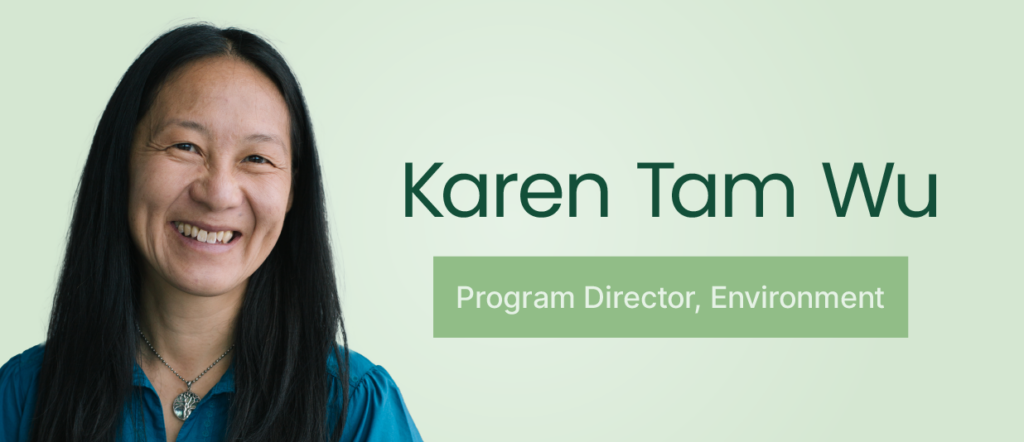
    We are thrilled to welcome Karen Tam Wu to the Houssian Foundation team as Program Director, Environment.

    Karen brings a wealth of expertise and leadership in energy and climate policy, nature conservation, and responsible forestry. Formerly with the Pembina Institute from 2015 to 2022, Karen served as Director of the Buildings and Urban Solutions Program before becoming Regional Director for B.C. Her tenure was marked by pioneering program strategies, rigorous policy research, and impactful government relations. Notably, Karen contributed to the BC Climate Solutions Council from 2017 to 2024. Karen holds a B.Sc. in Natural Resource Conservation, and was registered professional forester in B.C. until 2023. She serves on the boards of BC Hydro and the Zero Emissions Innovation Centre.

    Karen’s contributions have been widely recognized, including accolades from Business in Vancouver as one of the most influential business leaders in B.C. and a Georgia Straight Trailblazer. She is a recipient of the Foresight Industry Impact Award.

    Beyond her professional achievements, Karen is passionate about nature, enjoys riding her bike and adventuring in the mountains, and remains deeply engaged as a climate action advocate and policy researcher.

    Karen will add invaluable expertise to our team, deepening our relationship to our climate and conservation portfolio. Please join me in welcoming her!


    Celebrating the work of Houssian Foundation partners:


  • Newsletter: April 2024

    Newsletter: April 2024

    I hope this Earth Day finds you in some way connected to the beauty and struggle of the land you are living on. As strife on our planet intensifies and time runs thin, I find myself increasingly drawn to solutions and collaborations of all kinds. 

    Across our province, remarkable work is taking place to advance both climate solutions and conservation of our lands and water. The Houssian Foundation is proud to work in partnership with many of these organizations, tackling these issues directly. 

    Clean Energy Canada conducted a poll on B.C.’s clean energy future, with findings showing strong support for renewable energy and heat pumps, and that 43% of British Columbians think we are going to slow on climate action. 

    The Zero Emissions Innovation Centre, with its Zero Emissions Building Exchange and Building-to-Electrification initiatives, offers positive findings that all-electric homes are cost-effective province-wide, detailed in this op-ed.

    Wildsight, a Kootenay-based conservation organization, applauds the creation of an International Joint Commission to investigate water pollution from coal mining. At the same time, the group is sounding the alarm on yet another new metallurgical coal mine in the Elk Valley.  

    Living Here, a journalism project from Neighbours United, shares stories of individuals addressing energy and conservation challenges, including a forester driving change in Salmo, a Yukoner installing a heat pump, among others.

    My Climate Plan introduced their first solutions partner, Mike Nowotniak at Method Air. Mike’s company installs heat pumps across the Lower Mainland. My Climate Plan is also hosting a webinar on April 23rd, so you can learn about heat pumps.

    As we reflect on the significance of all this work, I’m reminded of the urgency to act and the necessity of hope.

    Happy Earth Day. 

    Mira


  • Newsletter: March 2024

    Newsletter: March 2024

    Good morning! 

    We’re currently gathering with grantee partners at West Coast LEAF’s Equality Breakfast, alongside community members, advocates and activists with a shared passion for gender justice. It’s one important way we commemorate International Women’s Day, a time for global recognition and celebration of the remarkable achievements of women in all spheres—social, economic, cultural, and political.

    The significance of International Women’s Day has never been more pronounced as women worldwide confront unprecedented challenges to their rights. In recent years, we’ve seen gender-based violence and economic inequalities escalate, and witnessed alarming assaults on the rights of women, trans and non-binary people, both in Canada and around the globe.

    As I step deeper into my role as Program Director, with a focus on gender justice and community, I’ve been curious about the joys, challenges and learnings that overlap in these movements. Whether it’s ensuring shelter and meals for women and their families, championing accessible childcare, fostering mentorship connections with young women and girls, or advocating for fundamental rights, each aspect of this work holds greater significance than ever before.

    We are proud to partner with many organizations tackling these challenges directly through movement building and organizing, policy and advocacy and by providing direct – lifesaving – services.

    Below is a list of our grantee partners working on gender justice everyday. 

    Proud to do this work alongside you. Happy International Women’s Day.

    Lizzy


    What our team is inspired by this month: